Navigating the period after losing a loved one is incredibly challenging, filled with a mix of grief, reflection, and often, an overwhelming sense of gratitude for the support received. During such a sensitive time, the kindness of friends, family, and even acquaintances can be a powerful comfort, offering a ray of light in the darkness. From a simple hug to a home-cooked meal, every gesture of sympathy and assistance helps to ease the burden.
As the immediate intensity of the funeral services begins to subside, you might find yourself thinking about how to properly acknowledge all of these thoughtful acts. It is a natural and heartfelt impulse to want to express your appreciation, but finding the right words when your heart is heavy can feel like an additional task. The emotional toll can make it difficult to articulate the depth of your thanks.
This is where the idea of crafting meaningful thank you messages becomes so important. It is not just about politeness; it is about recognizing the genuine care that surrounded you and your family during a vulnerable time. These messages serve as a final, personal touch, letting people know their support made a difference.
Understanding the Importance of Expressing Gratitude After a Loss
Expressing gratitude after a funeral is more than just a social courtesy; it is a deeply personal act that contributes to your healing process and strengthens the bonds you share with those who stood by you. When you are grieving, the simple act of acknowledging someone’s kindness can provide a sense of closure and allow you to reflect on the positive connections in your life. It shows that even amidst your sorrow, you recognized and valued their efforts.
Think about the diverse ways people offered their support. Some might have traveled long distances to attend the service, while others quietly dropped off groceries or offered to watch your children. There were likely those who sent beautiful flowers, made charitable donations in your loved one’s name, or simply offered a listening ear and a shoulder to cry on. Each of these gestures, big or small, represents an investment of time, emotion, or resources, and a sincere thank you acknowledges that gift.
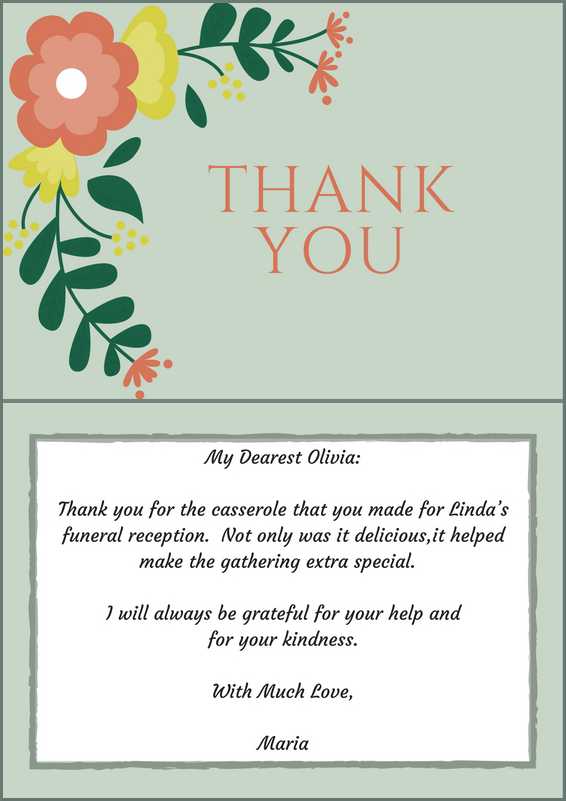
Deciding who to thank and in what manner can sometimes feel daunting. Generally, it is customary to thank anyone who sent flowers, made a donation, brought food, offered practical assistance, served as a pallbearer, officiated the service, or sent a card expressing their condolences. Even those who simply attended the service and offered their presence deserve recognition, especially if they are close to you or your family.
There is no strict timeline for sending these thank you notes. While it is often suggested to send them within a few weeks or months, the most important thing is that they come from the heart. If it takes you longer to gather your thoughts and energy, that is perfectly understandable. People who care about you will understand that you are navigating a difficult period and will appreciate your eventual outreach regardless of the timing. The process of composing these messages, even when challenging, can be a therapeutic step in processing your grief and appreciating the network of care around you. Finding the right thank you wording for funeral messages is about conveying genuine appreciation in a way that feels authentic to you.
Thoughtful Ideas for Your Thank You Wording For Funeral Messages
Crafting the perfect thank you wording for funeral notes can feel overwhelming, but remember that sincerity is key. Here are some ideas and templates to help you express your gratitude for various forms of support:
- For general attendance and comfort: “Thank you for attending [Loved One’s Name]’s service and for your comforting presence. It meant so much to have you there.”
- For sending flowers: “Your beautiful flowers brought such warmth and light during a difficult time. We are so grateful for your thoughtful gesture.”
- For a charitable donation: “Thank you for your generous donation to [Charity Name] in memory of [Loved One’s Name]. It is a wonderful tribute that will make a difference.”
- For bringing food or a meal: “We deeply appreciate the delicious meal you prepared for our family. Your kindness provided much-needed comfort and support.”
- For practical assistance (e.g., childcare, errands): “Thank you for your incredible help with [specific task]. Your support was invaluable and eased so much of our burden.”
- For a heartfelt card or message: “Your card with its kind words about [Loved One’s Name] truly touched our hearts. Thank you for sharing your memories.”
- To pallbearers: “Thank you for honoring [Loved One’s Name] by serving as a pallbearer. We are deeply grateful for your strength and support during the service.”
- To the officiant or clergy: “Thank you for leading [Loved One’s Name]’s service with such grace and compassion. Your words brought great comfort to us all.”
- For ongoing emotional support: “Thank you for your unwavering friendship and support during this incredibly tough time. Knowing you are there means the world to us.”
- For those who traveled a long distance: “We were so touched that you traveled so far to be with us. Your presence was a true source of strength and comfort.”
- For sharing a special memory: “Thank you for sharing that wonderful story about [Loved One’s Name]. It brought a smile to our faces and reminded us of their beautiful spirit.”
- For a thoughtful gift or keepsake: “Thank you for the thoughtful [gift item]. It is a lovely reminder of [Loved One’s Name] and your kindness.”
Remember, these messages do not need to be long or elaborate. A few genuine sentences are often all that is needed to convey your appreciation. Allow yourself the grace to write what feels right and true to your heart.
In the midst of grief, the act of reaching out and expressing thanks can be a meaningful step forward. It allows you to acknowledge the loving community that surrounds you, recognizing that even in sorrow, there is immense goodness and care. Your heartfelt words, no matter how simple, will undoubtedly bring comfort and a sense of connection to those who supported you during your time of loss.