When you are navigating the difficult waters of grief, the kindness and support from friends, family, and colleagues can be a true comfort. Receiving sympathy flowers is one of the most common and beautiful ways people express their condolences and care. While your heart is heavy, acknowledging these thoughtful gestures is an important step in the process, even if it feels overwhelming. Finding the right thank you wording for for sympathy flowers can seem daunting, but it is a genuine way to show appreciation for their support during a challenging time.
There is no single “right” way to express gratitude, as every relationship and situation is unique. The key is to convey sincerity and let the giver know their gesture was seen and appreciated. Remember that people understand you are grieving, so perfection is not expected. A heartfelt message, even a short one, will be deeply valued.
These notes don’t need to be long or elaborate. They simply serve as a small acknowledgement that you received their thoughtful gift and that their care touched you. Taking a moment to send these thank yous, even if it’s a few weeks or months later, can also be a quiet moment of reflection for you, reinforcing the support system you have around you.
The Heartfelt Act of Expressing Gratitude After Loss
Expressing thanks after a loss is more than just good manners; it’s an act of connection and shared humanity. When someone sends sympathy flowers, they are reaching out to offer comfort, share in your sorrow, and let you know you’re not alone. Acknowledging their kindness reinforces that bond and helps both you and the giver feel a sense of completion in the cycle of support.
The timing of these thank you notes is often a concern for many. There’s no strict deadline, especially when you are processing grief. Most people understand that you might need time, perhaps several weeks or even a few months, before you can tackle such tasks. Focus on your well-being first. When you feel ready, even if it’s just for a few notes at a time, begin the process. The genuine thought behind the thank you will always outweigh how quickly it arrives.
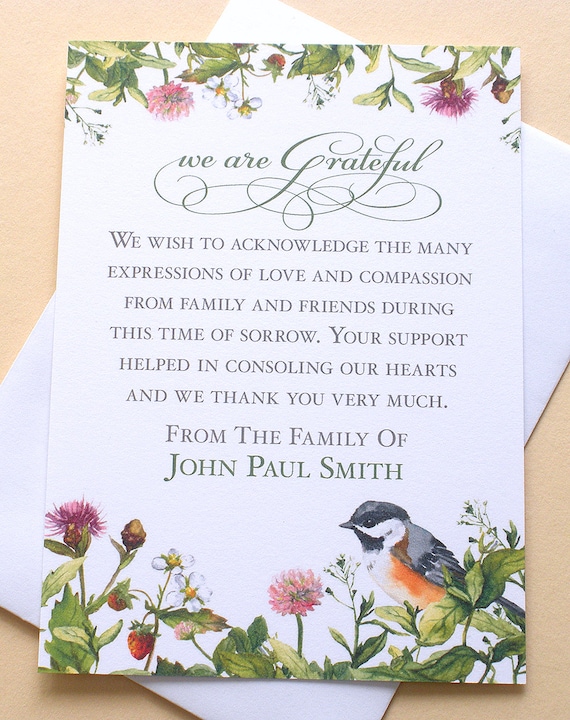
Consider the medium of your thank you. For closer friends and family, a handwritten note often feels more personal and intimate. For larger groups or professional contacts, a printed card with a personalized signature or a group email might be more appropriate. The choice depends on your relationship with the recipient and what feels most comfortable and manageable for you during this time.
When crafting your message, keep it authentic to your feelings. It’s okay to mention the difficulty of the time, but always circle back to their kindness. Focus on what their specific gesture meant to you. Did the flowers bring a splash of color to a somber room? Did their presence at the service provide strength? Highlighting these specifics makes your thank you feel more personal and less generic.
Remember that you don’t need to explain your grief or go into detail about your loss in these notes. The purpose is to thank them for their support, not to recount your struggles. A simple, sincere expression of appreciation for their thoughtfulness and the beauty of the flowers is perfect. It’s a small gesture from you that can mean a great deal to someone who cared enough to reach out.
Thoughtful Ideas for Sympathy Flower Thank You Wording
Crafting a thank you message for sympathy flowers doesn’t have to be complicated. The most important thing is to express your sincere appreciation for their thoughtful gesture during a challenging time. Whether you choose a short and sweet message or a slightly more detailed one, the sentiment behind your words will be deeply felt. Here are some ideas to help you get started, ranging from very simple to a bit more personal, allowing you to choose what feels most natural for your situation and relationship with the giver.
Remember to personalize each message where possible, perhaps by mentioning a specific memory of the deceased if appropriate, or how the flowers themselves brought you comfort. Acknowledging their kindness in this way helps to strengthen the bonds of support that surround you during your period of grief.
- Thank you for the beautiful flowers. They brought a much-needed touch of warmth during this difficult time.
- Your thoughtful sympathy flowers were such a comfort. We deeply appreciate your kindness.
- We are so grateful for the lovely arrangement you sent. It meant a great deal to us.
- Thank you for remembering us with such a beautiful floral tribute. Your support is cherished.
- The flowers you sent in memory of [Deceased’s Name] were stunning. We truly appreciate your thoughtfulness.
- Your kind gesture of sending flowers did not go unnoticed. Thank you for thinking of us.
- Thank you for the wonderful flowers. They brightened our home and our spirits during this sad time.
- We were so touched by the beautiful flowers and your heartfelt condolences.
- We truly appreciate the lovely sympathy flowers. Your support means the world to us.
- Thank you for your kindness and for the gorgeous flowers you sent. They were a beautiful tribute.
- Your thoughtful gift of flowers offered great comfort. We are so grateful for your presence in our lives.
- The floral arrangement you sent was a testament to your caring heart. Thank you so very much.
No matter which wording you choose, remember to sign off with warmth and sincerity. A simple “With heartfelt thanks,” “Sincerely,” or “With gratitude” followed by your name or your family’s name will suffice. People understand that your emotions are raw, and a brief, honest thank you is often the most profound.
Ultimately, these thank you notes are a small reflection of the larger support system that surrounds you. They are a way to close the loop on a kind gesture, acknowledging the compassion shown to you during a period of loss. There’s no rush, no pressure for perfection, just an opportunity to convey genuine appreciation for those who offered comfort when you needed it most.