When you are navigating the difficult period following the loss of a loved one, the outpouring of support from friends, family, and colleagues can be incredibly comforting. Receiving beautiful arrangements of funeral flowers is a deeply touching gesture, and while your grief is paramount, there often comes a time when you want to acknowledge these acts of kindness. Finding the right thank you wording for funeral flowers can feel daunting, but it doesn’t have to be. We’re here to help you articulate your gratitude with sincerity and ease.
The thoughtfulness shown through floral tributes provides a tangible expression of sympathy and solidarity. Each bloom, each carefully chosen arrangement, speaks volumes about the care and concern people hold for you and your family during a time of immense sorrow. It’s a reminder that you are not alone in your grief, and that others are thinking of you.
Expressing thanks, even in a small note, can be a meaningful step in processing your feelings and acknowledging the community that surrounds you. This guide will help you craft messages that convey your heartfelt appreciation, offering both general advice and specific examples to inspire you.
Acknowledging Kindness Amidst Grief
It is completely understandable if the thought of writing thank you notes feels overwhelming during a period of profound sadness. Grief takes its own unique path, and there is no right or wrong timeline for expressing gratitude. Please remember to be kind to yourself first and foremost. The people who sent flowers understand the depth of your loss and will not expect an immediate response. Your emotional well-being is the priority.
However, when you do feel ready, a thank you note serves several important purposes. It not only acknowledges the specific gesture of the flowers but also reinforces the bonds of friendship and family. It’s a way to close the loop on their act of kindness, letting them know their support was seen and appreciated. It validates their effort to reach out and offer comfort when you needed it most.
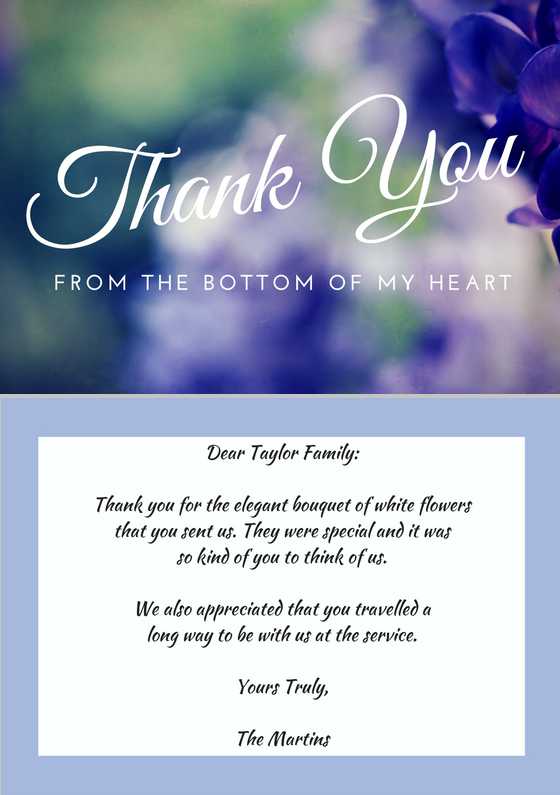
The beauty of a thank you note is its simplicity. It doesn’t need to be a long, elaborate letter. A few heartfelt sentences are often more than enough to convey your appreciation. What matters most is the sincerity behind the words, letting the sender know their thoughtfulness made a difference during a challenging time.
Often, the act of writing these notes can itself be a small step in the healing process. It allows you to pause, reflect on the kindness you’ve received, and connect with the people who care about you. It’s a quiet moment of gratitude that can bring a measure of peace.
Remember that while flowers are a common gesture, support comes in many forms. Whether it was a meal, a listening ear, a donation, or simply their presence at the service, each act of kindness deserves recognition when you feel ready to give it. Focus on what feels authentic to you and the relationship you share with the recipient.
Thoughtful Thank You Wording Ideas
Finding the right words to express your gratitude for funeral flowers can sometimes be the hardest part. You want to be sincere without feeling pressured to write a lengthy message. The key is to be genuine and to personalize the message even slightly if you can, making it specific to the sender or the arrangement they sent. These examples are designed to offer a starting point, which you can adapt to fit your unique circumstances and relationship with the recipient.
Whether you’re writing to a close friend, a distant relative, or a professional acquaintance, a simple and heartfelt message will always be appreciated. Remember, the people who sent flowers understand that you are grieving, and their main goal was to offer comfort and support, not to receive an elaborate thank you. Your acknowledgment is a cherished confirmation of their kindness.
- Thank you so much for the beautiful flower arrangement you sent. It was such a comfort to us during this difficult time.
- The lilies you sent for [Deceased’s Name]’s service were absolutely stunning. We truly appreciate your thoughtfulness.
- We were so touched by your kindness and the lovely floral tribute. Your support means the world to us.
- Thank you for remembering [Deceased’s Name] with such a beautiful bouquet. It brought warmth to our home.
- Your generous gesture of sending flowers for the funeral was deeply appreciated. Thank you for thinking of us.
- The colorful arrangement brightened our spirits during a very sad time. Thank you for your heartfelt sympathy.
- We are so grateful for your support and the gorgeous flowers you sent. They truly honored [Deceased’s Name]’s memory.
- Thank you for the lovely flowers and for being a source of comfort to our family during this period of loss.
- Your thoughtfulness in sending flowers did not go unnoticed. We are truly appreciative of your support.
- The peace lily was a beautiful and fitting tribute. Thank you for your incredible kindness and sympathy.
- Thank you for the wonderful flowers and for sharing in our grief. Your presence and support have been invaluable.
- We were so moved by the beautiful arrangement you chose. Thank you for your thoughtfulness and for honoring [Deceased’s Name].
As you write these notes, try to infuse them with your own voice. A simple handwritten note carries significant weight and shows a personal touch. Even a generic phrase can feel unique when it’s part of your personal message. Don’t feel pressured to recount your grief; simply acknowledge their specific act of kindness.
Ultimately, the goal is to convey your appreciation for their compassion and support. It’s a gentle reminder that even in sorrow, there is immense gratitude for the kindness of others. These small acts of acknowledging their sympathy can help reinforce the connections that sustain you through life’s most challenging moments.
Taking the time to express your gratitude for the support you received, whether it’s through flowers, a meal, or a comforting word, is a meaningful part of navigating loss. It allows you to reflect on the warmth and care extended by those around you, reinforcing the bonds that carry you through difficult times. This process, though small, plays a role in finding your way forward.