Leaving a job is often a bittersweet experience. While you might be excited about a new chapter, it is also a time to reflect on the time you’ve spent with your current employer. Crafting a polite and professional resignation letter is crucial, and a significant part of that professionalism lies in the “resignation letter thank you wording” you choose to include. It is an opportunity to express gratitude, maintain positive relationships, and ensure you leave on the best possible terms, regardless of your reasons for moving on.
Many people focus solely on the formalities of announcing their departure, overlooking the powerful impact a sincere thank you can have. This isn’t just about being polite; it is a strategic move that reflects well on your character and professionalism. A well-worded thank you can transform a potentially awkward departure into a smooth, appreciative transition, benefiting both you and your employer in the long run.
Understanding how to articulate this gratitude effectively can feel daunting, especially when emotions might be running high. However, with a little thought and care, you can easily incorporate sincere appreciation into your resignation letter. This article will guide you through the importance of such wording and provide practical examples to help you craft a truly impactful and professional thank you.
Why Expressing Gratitude in Your Resignation is Essential
Expressing gratitude in your resignation letter goes far beyond simple courtesy; it is a vital component of professional etiquette that can have lasting positive effects. When you acknowledge the opportunities, experiences, and support you received, you demonstrate maturity and respect, qualities that are highly valued in any professional setting. It shows that you appreciate the investment your employer made in you, both in terms of time and resources, and that you recognize the value of your tenure there.
Maintaining strong professional relationships is paramount in today’s interconnected world. You never know when you might cross paths with former colleagues or managers again, whether it is at industry events, in future job searches, or even as potential clients or partners. A gracious departure, marked by genuine thanks, ensures that these doors remain open rather than being closed off. It builds goodwill and leaves a positive final impression, which is far more beneficial than burning bridges.
Furthermore, a thoughtful thank you can significantly smooth the transition process for your team and management. When you express appreciation, it can foster a more cooperative atmosphere during your notice period. Colleagues might be more willing to assist with handover tasks, and management might be more understanding and supportive, knowing that you value your time with them. This collaborative spirit makes the departure less disruptive for everyone involved.
Ultimately, expressing gratitude is about protecting your professional reputation. In an era where online profiles and professional networks are closely scrutinized, your history of positive interactions and respectful departures can speak volumes. It signals that you are a person of integrity, someone who handles transitions with grace and professionalism, and these are traits that will serve you well throughout your career journey.
Crafting Your Resignation Letter Thank You Wording: Samples and Ideas
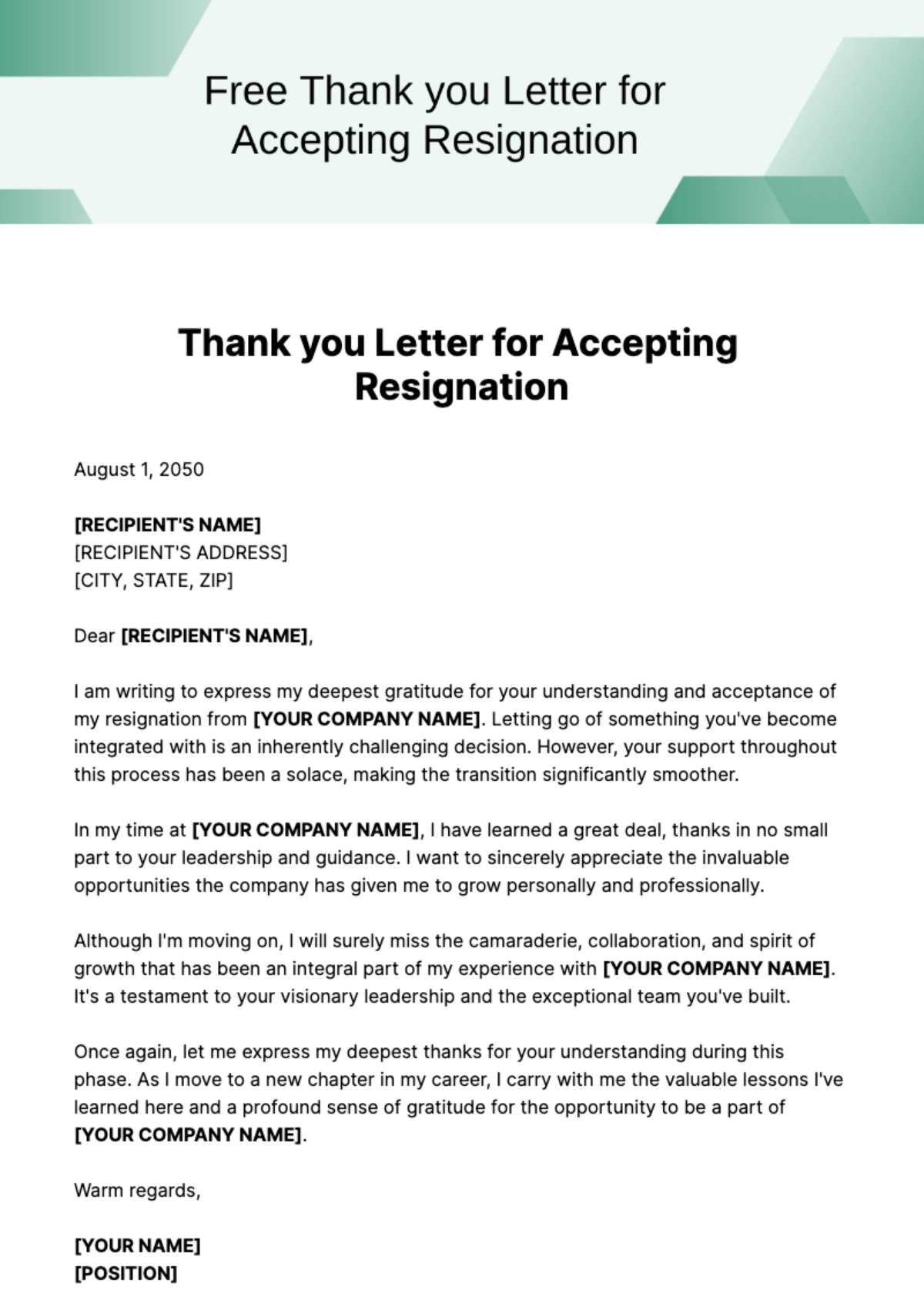
When it comes to embedding a thank you into your resignation letter, the key is sincerity and specificity. While you don’t need to write an exhaustive essay, a few well-chosen lines can make all the difference. Think about what you genuinely appreciated during your time with the company – was it a specific project, a mentor, professional development opportunities, or simply the supportive team environment?
The best resignation letter thank you wording is concise, heartfelt, and tailored to your unique experience. Avoid generic statements if possible and try to reference something concrete. This shows that your gratitude is genuine and not just a formality. Below are some ideas and sample phrases you can adapt to fit your personal situation and maintain a positive tone as you transition to your next endeavor.
- “I am truly grateful for the opportunities I have been given during my time at [Company Name], particularly [mention a specific project or learning experience].”
- “Thank you for the invaluable experience and professional growth I have gained over the past [number] years.”
- “I particularly appreciate the mentorship and guidance provided by [Manager’s Name] during my tenure here.”
- “I am thankful for the supportive team environment and the camaraderie I shared with my colleagues.”
- “My sincere thanks for the opportunity to develop my skills in [specific skill] and contribute to [specific achievement].”
- “I have truly valued my time here and am thankful for the challenging projects and experiences that have shaped my career.”
- “Thank you for the trust and confidence you placed in me to handle [specific responsibility or project].”
- “I am grateful for the chance to work alongside such talented individuals and learn so much from everyone.”
- “I want to express my appreciation for the professional development resources provided, which have been instrumental in my growth.”
- “Thank you for understanding my decision to pursue new challenges and for making my time here a rewarding experience.”
As you prepare to move on to your next professional chapter, remember that your final words can leave a lasting impression. A carefully crafted resignation letter, enriched with genuine appreciation, speaks volumes about your character and professionalism. It ensures that you not only conclude your current role gracefully but also set yourself up for future success by maintaining strong, positive connections within your professional network.
Taking the time to include thoughtful thank you wording in your resignation letter is a small gesture with significant impact. It reflects your respect for the company, your colleagues, and the experiences you’ve gained. By doing so, you are not just closing one door, but also ensuring that the path behind you remains positive and open, a testament to your professionalism and integrity.